
Detection
Continuous
Real-time across wearable + ePRO streams
Routing
Automated
In-app · concierge · coordinator · logistics
Closure
Tracked
Every issue followed to documented resolution
Closed-Loop Workflow
Detect → Route → Act → Close
In clinical trials, a closed-loop compliance engine is the layer that pairs every detected issue with an action — and tracks the action through to closure. Alerts that don't resolve aren't compliance. They're a queue.
Closing the loop is what turns a dashboard from a status indicator into an operational tool.
Related pages: Automated Compliance · Concierge
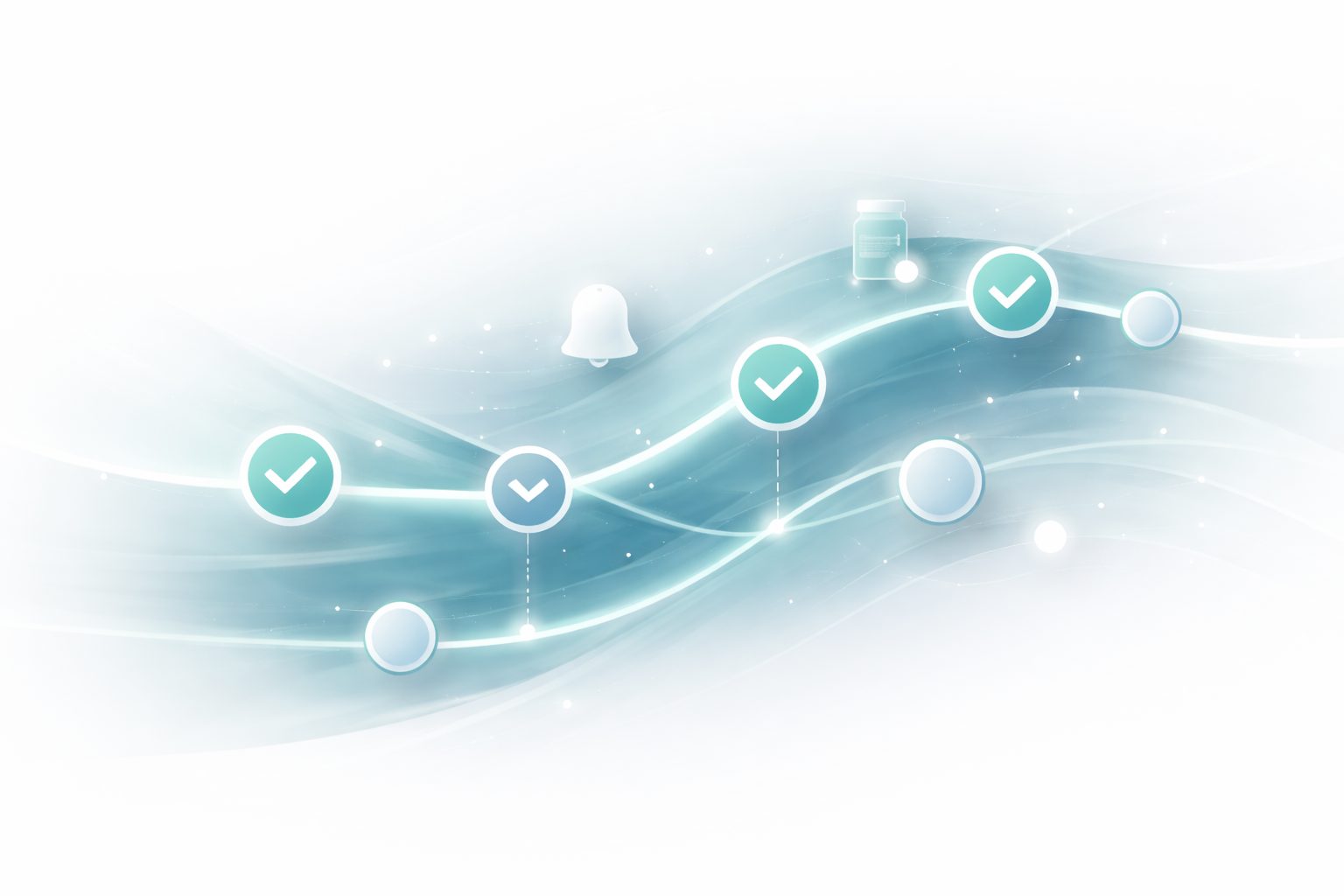
Most compliance systems are detection systems. They alert, but they don't act. The data drifts anyway because the loop never closes.
Notifications fire into a shared inbox; nobody is responsible for closure.
Detection lives in one system, action in another — with manual hand-off in between.
Sites are asked to chase compliance, but lack the time and global visibility.
Resolution requires patient contact, but the operating model has no concierge layer.
Rules vary across studies and regions, so closure rates aren't comparable.
Without closure tracking, recurring issues hide in plain sight.
Detection is necessary but not sufficient. Compliance is what happens after detection.
A closed loop is the difference between knowing about a problem and actually fixing it.
Compliance engines that hold up under long-duration, multi-region trials are built around routing and closure — not just alerting.
Strong closed-loop compliance means the trial sees a problem, acts on it, and documents the closure — in the window where it still matters.
See related pages: Automated Compliance · Concierge · Signal QC
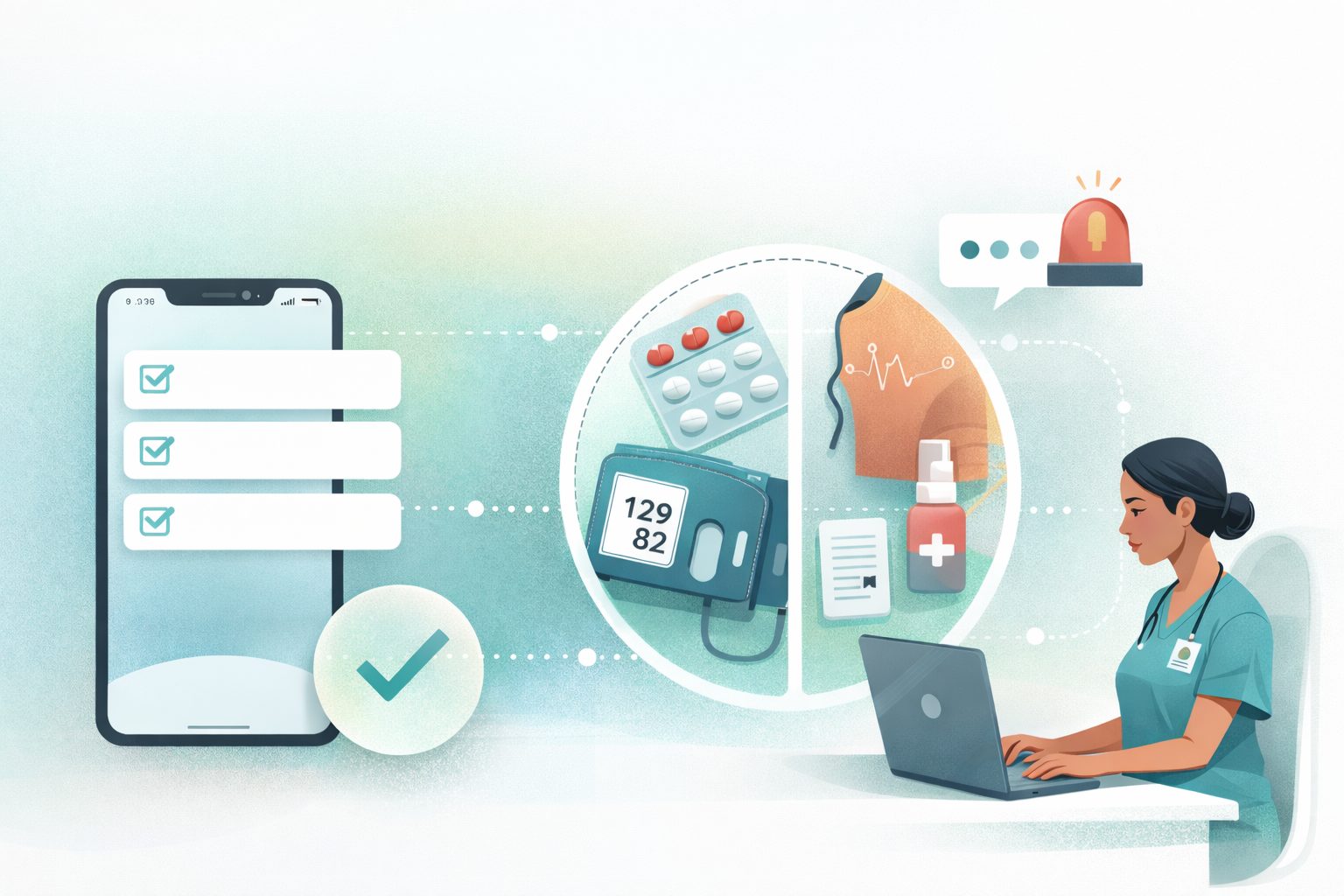
Once detection, routing, and concierge are in one loop, the operating metrics that actually matter start to move together.
Sync and wear-time issues addressed before they become endpoint damage.
Missed-entry triage with multilingual outreach inside the response window.
Hardware faults routed to logistics for replacement — without site round-trips.
Coordinators get a managed queue, not an inbox of unprioritized alerts.
Cohort-level dashboards show where time is being spent and what's resolving.
Every detection and action documented with timestamp and outcome.
The closed loop is where wearable and ePRO compliance becomes operationally trustworthy.
Coordinators are one possible resolver, but most compliance issues are faster to fix via patient outreach. The engine routes each issue to whoever can resolve it fastest — and tracks the result.
Yes, but the closure rates won't be the same. Most multi-year, multi-region trials run the engine with concierge because patient-side resolution is what closes the loop reliably.
Rules are configured per study against the protocol's actual compliance definitions — not generic 'wear-time > X' thresholds. We tune them during study setup and revise them as patterns emerge.
Delve combines real-time detection, rule-based routing, multilingual concierge outreach, and closure tracking into one engine designed to protect compliance across the life of the study.
Book a Closed-Loop Walkthrough