
Format
Multi-modal
Videos, in-app, live concierge
Languages
120+
Patient-facing in their language
Cadence
Ongoing
Reminders + refreshers throughout the trial
Training Workflow
Onboard → Practice → Refresh → Support
In clinical trials, device training is the layer that determines whether a wearable actually gets worn correctly across the life of the study. It is more than the onboarding video. It is the operational discipline of teaching, reminding, refreshing, and supporting — for patients and for the clinicians who are supposed to be supporting them.
Training is the difference between 'we shipped the device' and 'the protocol got the data.'
Related pages: Patient Support · Concierge
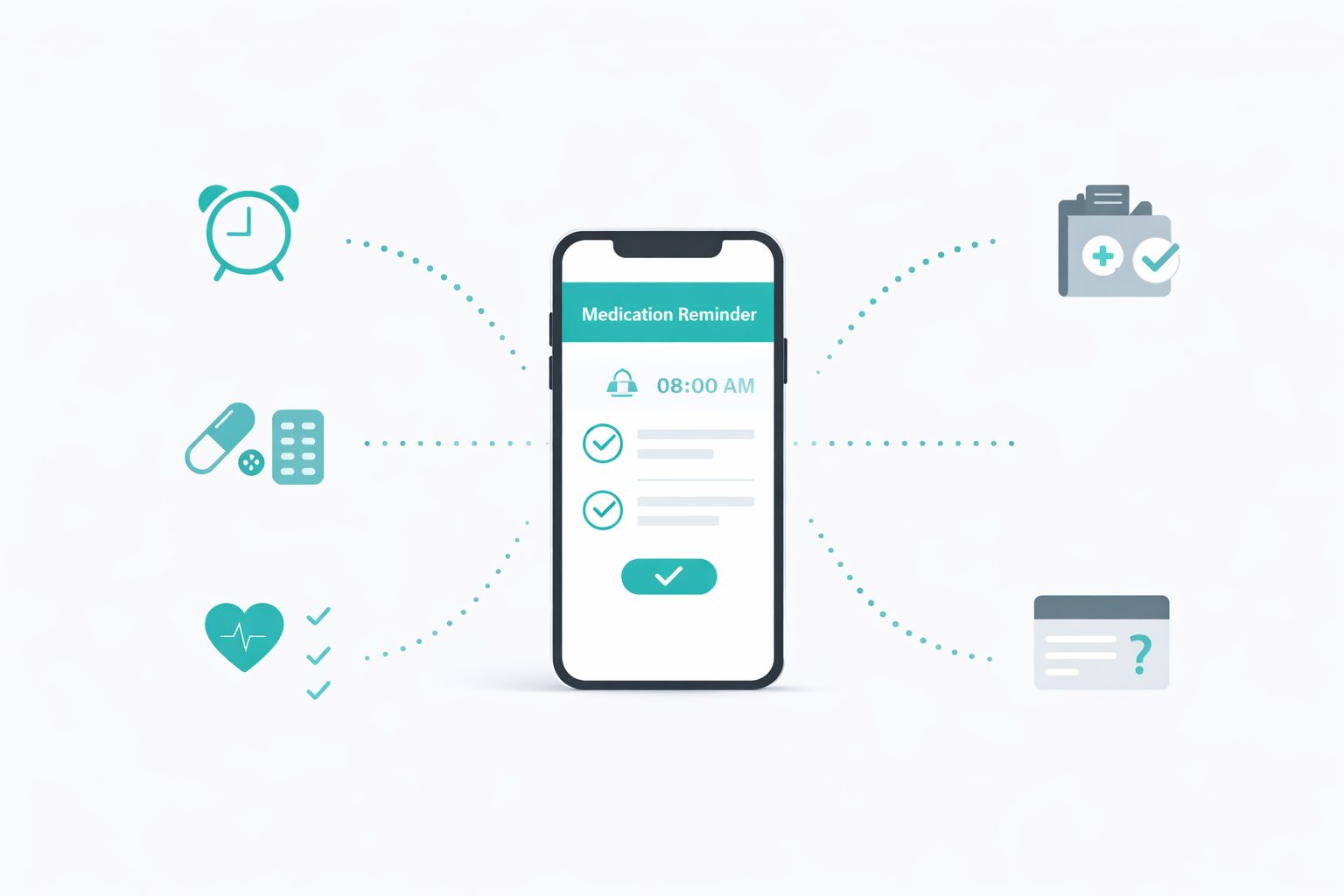
Most trials train the patient on day one and never train them again. By month three the device is in a drawer, by month six it's in the trash, and by analysis time the dataset has holes.
A single video at consent isn't enough — patients forget setup steps they only saw once.
Sites are asked to train, but they have minutes per patient. Real training has to live outside the visit.
Training content in a language the patient isn't fluent in produces compliance theater, not compliance.
After the first week, training stops — even though most issues happen later when patients forget.
When the video doesn't help, there is no human to call — so the device stays unused.
Coordinators are expected to support multiple devices without any structured reference material.
Training is an operational habit, not a one-time event. Trials that treat it as a one-time event lose adherence quietly.
Training that runs through the study is how compliance stays alive after the first month.
Training that survives long-duration trials is built around the patient's experience over time — not just the day-one consent moment.
Strong training stops looking like 'training' and starts looking like a habit.
Training done right doesn't just feel good — it shows up in compliance, retention, and downstream data quality.
Patients reach 'consistently worn' status in days, not weeks.
Pre-emptive refreshers reduce coordinator escalations and site burden.
Sustained training cadence supports wearable wear-time over multi-month follow-up.
Patients comfortable with the platform actually complete the diary entries.
Confidence with the device correlates with continued engagement in the trial.
Better adherence upstream means cleaner digital endpoints downstream.
Training is one of the highest-leverage operational layers in a wearable trial.
Both. Patients get the multi-modal experience described above. Coordinators get structured quick-reference materials per device, plus access to the same concierge team for escalations.
Content is reviewed by native speakers for clinical accuracy and cultural fit — not machine-translated. Languages are scoped during study setup based on the protocol's regions.
Yes. Reminder cadence and refresher content tighten or relax based on observed compliance — patients who are doing well get less interruption, patients drifting get more support.
Delve combines onboarding, reminders, multilingual videos, and live concierge into one training layer designed to keep wearable adoption alive across the life of the study.
Book a Training Discussion