
Support model
Proactive
Steps in before small issues compound
Escalation
Defined
Clinical questions reach the right person
Language
120+
Support in the participant’s preferred language
Concierge Follow-Up
Signal → conversation → resolution
A More Digital Trial Isn’t Always an Easier One
Clinical trials are more connected than ever. Participants can complete assessments from home, use wearable devices to collect data, join virtual visits, and interact with study technology throughout their day.
But making a trial more digital does not necessarily make participation easier.
A wearable can stop syncing. An assessment could be missed. A participant is unsure what they need to do next. These may seem like small moments, but when they go unresolved, they can create frustration for participants, additional work for sites, and gaps that affect the study.
That is where Concierge as a Service comes in.
More Than a Help Desk
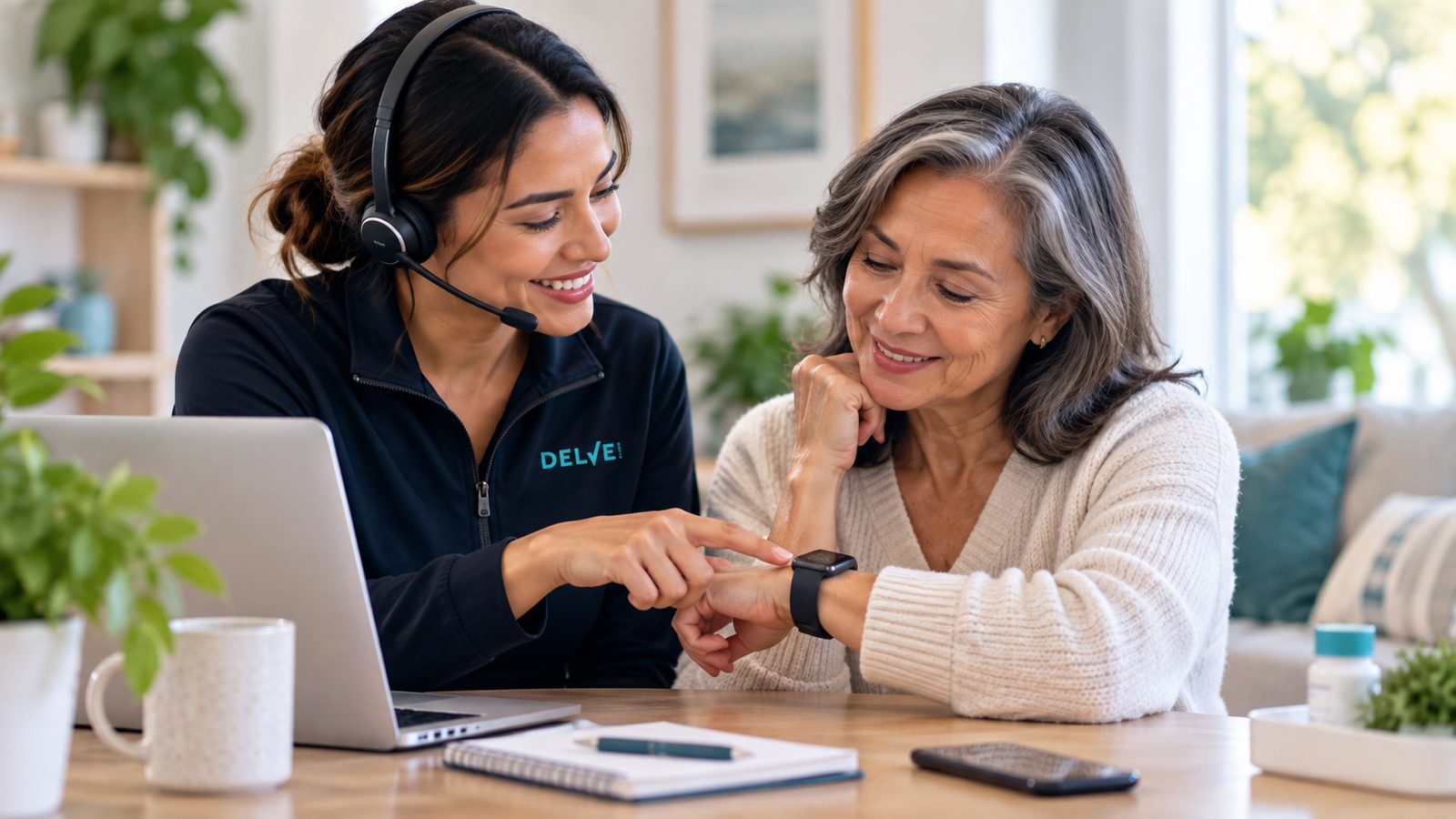
Concierge as a Service is a proactive support model that helps participants navigate the day-to-day realities of being in a clinical trial.
The word proactive is important.
Traditional support often begins after something goes wrong. A participant encounters a problem, reaches out for help, and waits for someone to resolve it. That can quickly turn into a game of telephone between the participant, site, and vendor. By the time the issue makes its way back around, days may have passed, and valuable study data could already be at risk.
Our concierge support is designed to step in earlier.
For example, technology can identify that an assessment was missed. Instead of simply sending another automated reminder, a concierge can follow up to understand why. Maybe the participant forgot. Maybe they are having trouble with the app. Maybe they simply do not understand what is being asked of them.
The signal tells you what happened. The conversation can help uncover why.
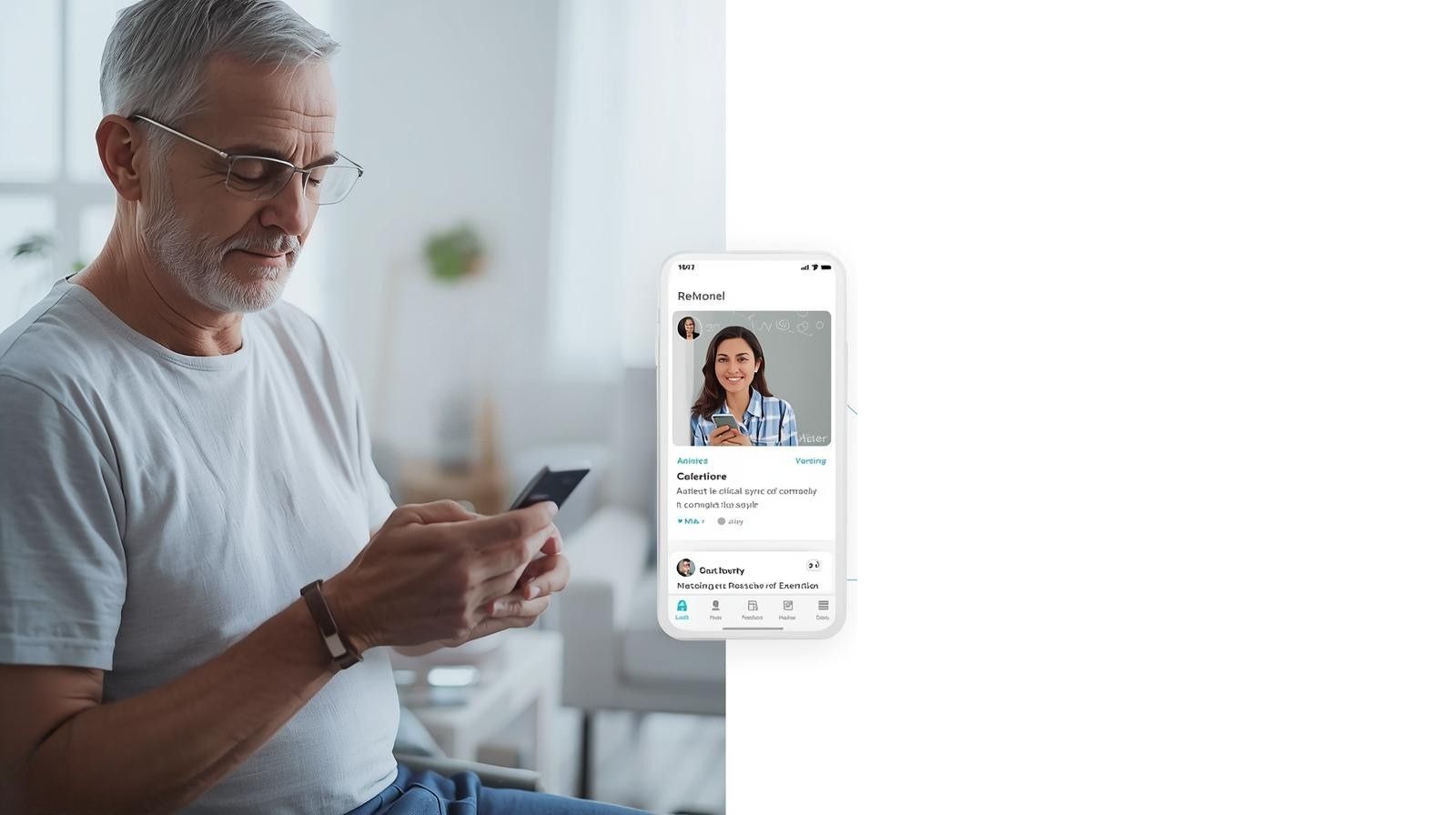
That is the difference between simply giving participants access to technology and helping them successfully use it throughout a study.
Reactive Support vs. Proactive Concierge
Traditional support
- Begins after something goes wrong
- Participant has to reach out and wait
- Issues bounce between participant, site, and vendor
- Days can pass before resolution
Concierge as a Service
- Steps in earlier, when technology flags an issue
- A person follows up to understand why
- Defined escalation pathways to sites and study teams
- Friction addressed before it puts data at risk
An automated reminder tells a participant what they missed. A conversation helps them get back on track.
What Does Concierge Support Look Like?
The support needed will vary from study to study. Here are some of the moments where a concierge can step in.
Onboarding
Helping participants get comfortable with study technology from day one.
Wearable Troubleshooting
Resolving a device that is not syncing before the gap grows.
eDiary Follow-Up
Following up on a missed entry to understand what got in the way.
Study Coordination
Helping participants prepare for and coordinate upcoming study activities.
Preferred-Language Support
Providing assistance in the language each participant is most comfortable using.
Defined Escalation
Routing anything that needs clinical expertise or site attention to the right person.
What It Means for Participants, Sites, and Study Teams
When something requires clinical expertise or the attention of the research site, the concierge can follow defined escalation pathways to make sure it reaches the right person.
- For participants, this means there is someone to turn to when the study does not go exactly according to plan.
- For sites, it means every non-clinical question, technical issue, or follow-up does not automatically fall back on an already busy coordinator.
- For study teams, it creates another opportunity to identify and address friction before it becomes a larger problem or, even worse, puts a participant at risk of dropping out of the study.

Technology Works Better With a Human Layer
Technology is an essential part of modern clinical research. It can automate routine tasks, collect data, monitor activity, and identify when something may need attention.
But an alert cannot always solve the problem it identifies.
That is why Delve Health built Concierge-as-a-Service™ around the connection between technology and human support.
Our concierge model combines proactive monitoring with protocol-trained support to help participants stay engaged and studies stay on track. Depending on the protocol, that can include onboarding, ePRO and eDiary follow-up, wearable and device troubleshooting, scheduling, multilingual support, prescreening, and escalation to sites and study teams.
We think of it as the human layer of clinical research.
The goal is not to add another system for participants or sites to manage. It is to make the technology already supporting a study work better for the people using it.
Because ultimately, clinical research does not happen through devices, platforms, or data alone. It happens through people.
And when those people have the right support at the right moment, the entire study has a better opportunity to succeed.
Frequently Asked Questions
What is Concierge as a Service in clinical research?
Concierge as a Service is a proactive support model that helps participants navigate the day-to-day realities of being in a clinical trial, from getting comfortable with study technology to troubleshooting devices and following up on missed assessments.
How is concierge support different from a traditional help desk?
Traditional support often begins after something goes wrong: a participant encounters a problem, reaches out for help, and waits. Concierge support is designed to step in earlier. When technology identifies an issue such as a missed assessment, a concierge follows up to understand why it happened.
What does a clinical trial concierge do?
Depending on the protocol, a concierge might help with onboarding, ePRO and eDiary follow-up, wearable and device troubleshooting, scheduling, multilingual support, prescreening, and escalation to sites and study teams.
Does concierge support replace the research site?
No. When something requires clinical expertise or the attention of the research site, the concierge follows defined escalation pathways to make sure it reaches the right person. The goal is that every non-clinical question, technical issue, or follow-up does not automatically fall back on an already busy coordinator.
Give Your Participants the Right Support at the Right Moment
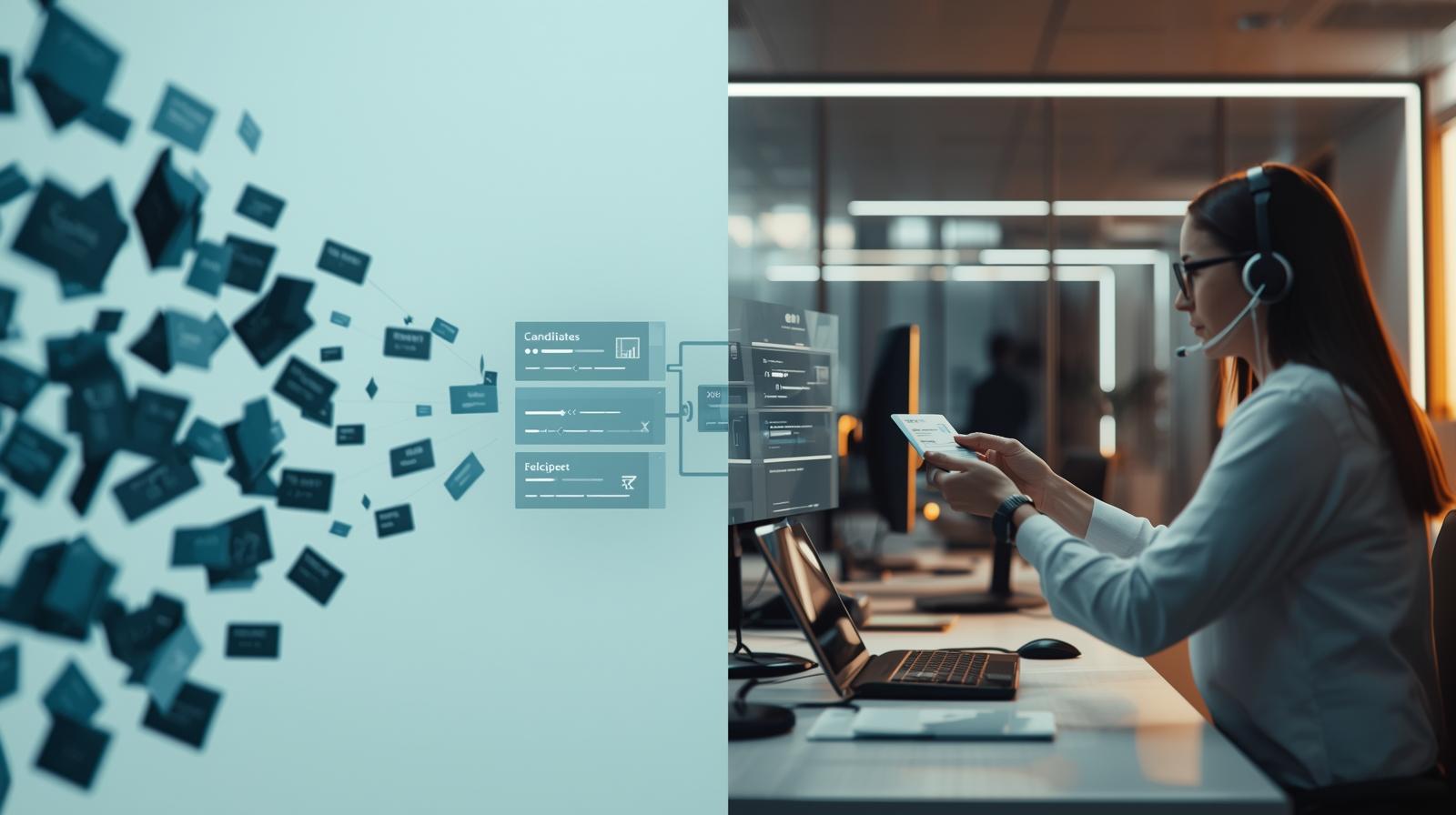
See how Concierge-as-a-Service™ adds the human layer to the technology already supporting your study.
Talk to Our Team