
Data continuity
↓
Between visits
Wear-time
↓
After week six
Fix window
Hours
Not weeks
Continuity Operating Model
Detect → Outreach → Recover → Escalate
Data continuity is the sustained, longitudinal capture of protocol-required data between study visits—without gaps caused by missed tasks, device non-wear, or silent sync failures.
The question isn’t “Can we collect data?”
It’s “Who actively protects the signal between visits?”

These failure modes rarely show up as a single event. They accumulate quietly—until monitoring review.
Missed ePROs and diaries increase over time as routine decays and fatigue rises.
Wearables are removed overnight, during travel, or after discomfort—then not reapplied.
Battery, pairing, permissions, and background sync issues create “false compliance.”
Sites discover gaps only after days or weeks, when recovery windows are closed.
Sites get noise instead of triaged, patient-specific actions—driving burnout.
Responsibilities fall between systems. No single owner protects continuity end-to-end.
Continuity isn’t a feature. It’s an operating model with defined response windows.
Protecting longitudinal signal requires ownership across the entire chain: assessments, devices, patient behavior, and escalation.
This model reduces site noise, improves patient follow-through, and prevents “quiet degradation.”

If you can answer “who owns this?” for each item, your trial has a continuity plan. If not, risk accumulates.
Define completion windows, reminders, and the “late” threshold for each assessment.
Monitor sync, battery, pairing, and permissions—daily, not weekly.
Scripted troubleshooting flows for the top failure modes by device/app type.
Escalate to sites only when recovery fails or clinical criteria trigger.
Prevent alert fatigue with triage, batching, and clear owner assignment.
Track interventions and outcomes so “continuity” is measurable, not assumed.
Compliance is whether patients complete tasks. Continuity is whether the study maintains a reliable, longitudinal stream of required data without gaps that break endpoint integrity.
Dashboards show problems. They do not resolve them. Continuity requires response windows, outreach, recovery playbooks, and escalation ownership.
Sites should receive fewer, higher-quality alerts: patient-specific context, actions already attempted, and the exact reason escalation is required.
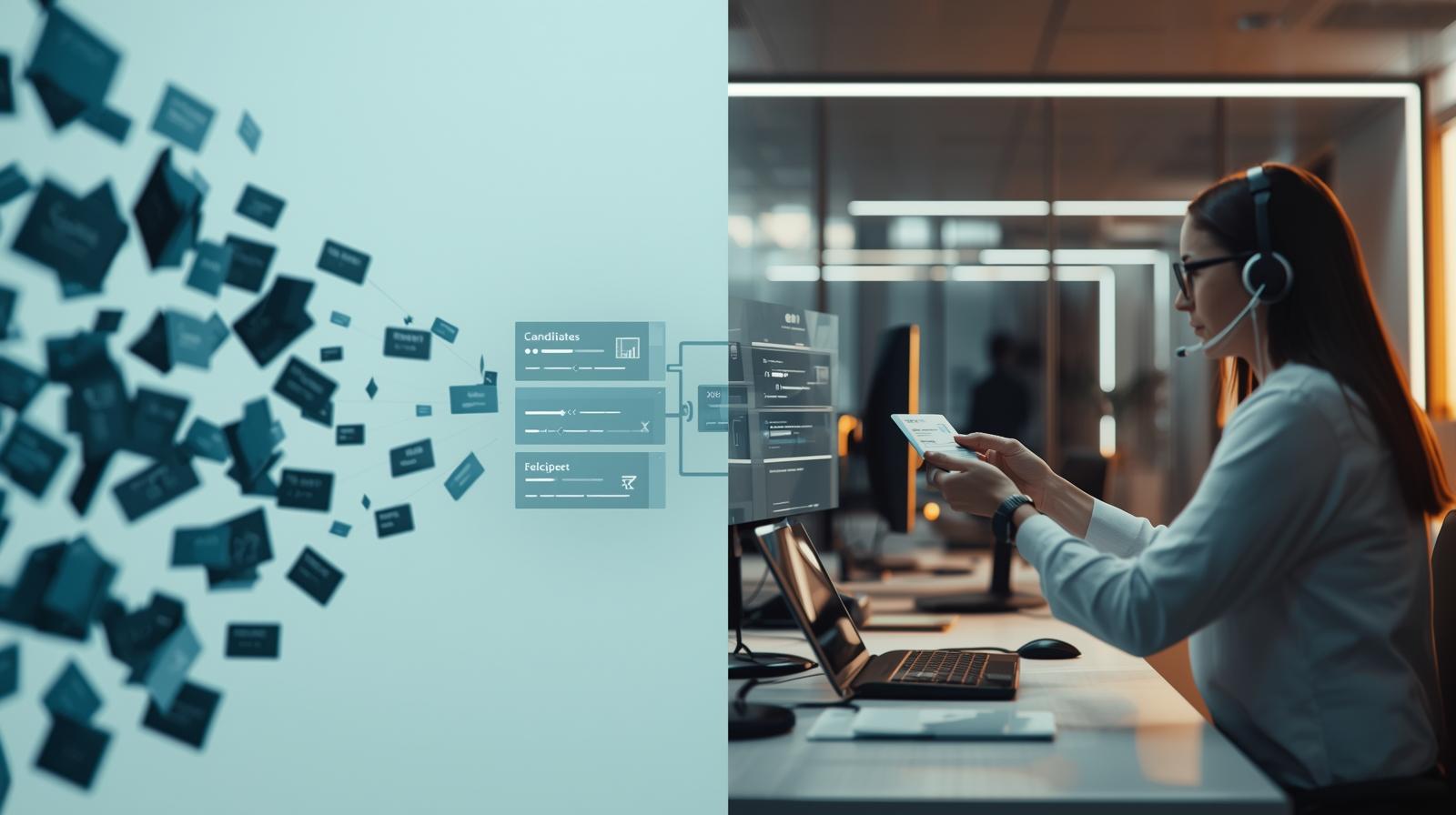
If your endpoints depend on longitudinal physiologic signal, you need more than data capture. You need an operating model that detects drift early and recovers it fast.
Book a Continuity Walkthrough